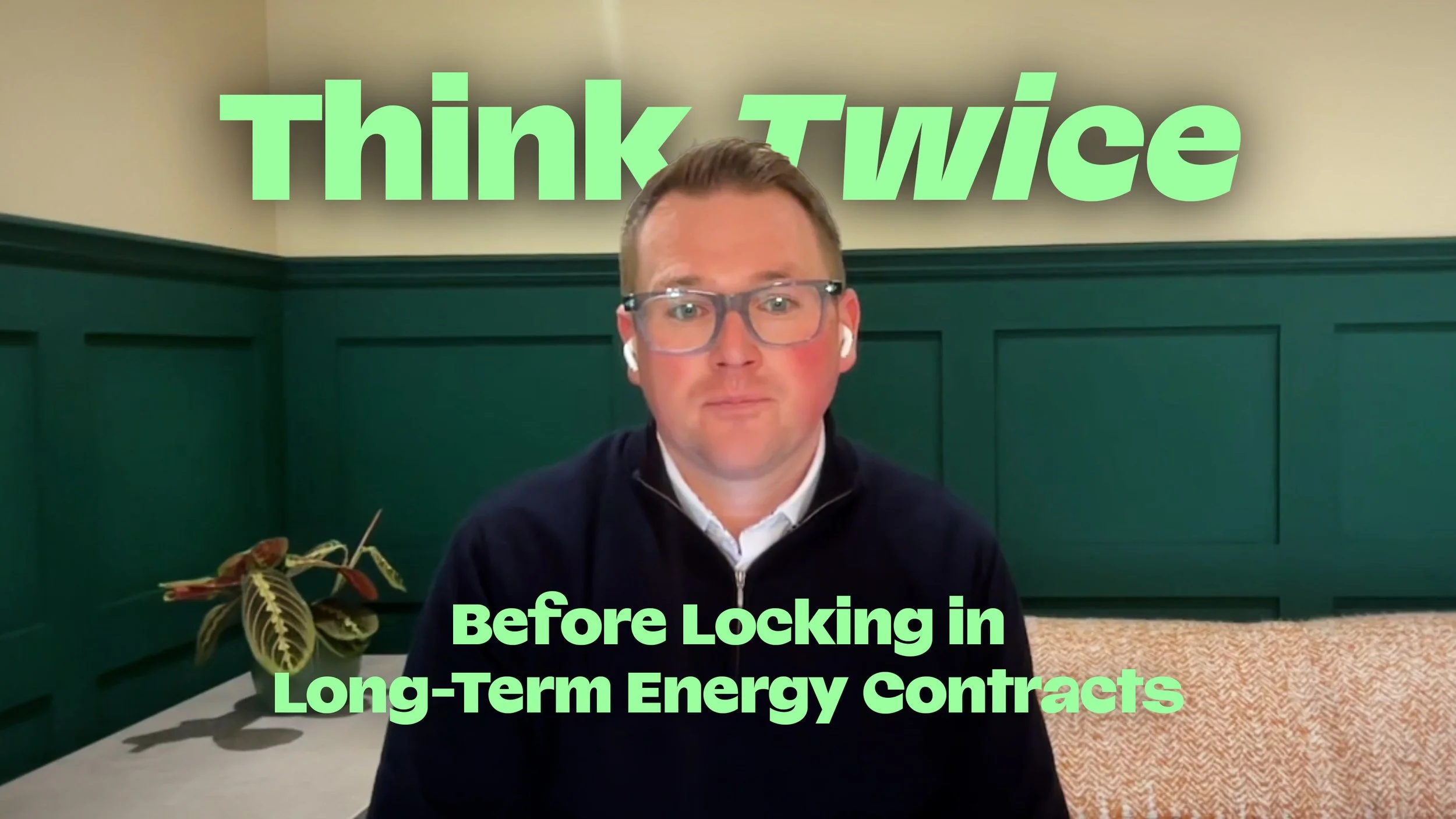
Think Twice Before Locking in Long-Term
In today’s energy market, one thing continues to stand out, and not in a good way. Businesses are being bombarded with alarming emails and high-pressure sales tactics, pushing them toward long-term energy contracts that may not be in their best interest.
Recently, we reviewed a real example that highlights just how misleading and aggressive some of these communications can be.
The Problem: Manufactured Urgency
The email in question strongly urged a business to “secure the electricity renewal now as a matter of urgency,” with the word urgency deliberately emphasised.
Here’s the reality: The business doesn’t even need to renew its contract until 2028.
This kind of messaging is designed to create panic. By framing the situation as immediate and critical, some brokers attempt to rush businesses into decisions without giving them time to properly evaluate their options.
Misleading Market References
Another tactic used in the email was referencing extreme historical price spikes, specifically, electricity prices reaching 90p per kWh during the peak of the Russia-Ukraine crisis. While technically true, this is highly misleading.
That market environment was exceptional and is not reflective of current conditions. Using past extremes to justify present decisions is a classic fear-based sales approach.
The Real Cost: “Obscene” Pricing Structures
Digging deeper into the offer, the business was being encouraged to sign a contract with:
A commodity rate of 25p per kWh
A full pass-through structure, meaning non-commodity costs are added on top at cost
In simple terms, this exposes the business to additional unpredictable charges while locking in a high base rate.
Within the industry, this kind of deal would be widely considered excessive—and potentially damaging over the long term.
Why This Matters…
Signing the wrong energy contract isn’t just an inconvenience, it can have serious financial consequences.
In some cases, businesses could be tied into agreements that:
Limit flexibility
Inflate operational costs
Impact long-term profitability
At worst, poor energy decisions could even threaten the viability of a business.
What Businesses Should Do Instead
If you’re being pressured to act quickly, take a step back. High-pressure tactics are often a red flag.
Here’s a better approach:
1. Pause Before You Commit
If someone is pushing urgency, ask why. In many cases, there is no real deadline.
2. Get a Second Opinion
Speak to multiple brokers or independent consultants. A broader perspective can quickly reveal whether a deal is competitive, or not.
3. Question the Narrative
Be wary of references to past crises or extreme market conditions. Always ask how current pricing compares to today’s market.
4. Remember: Doing Nothing Is Sometimes the Right Move
Not every situation requires immediate action. In fact, waiting can often lead to better opportunities.
Final Thoughts
The energy market can be complex, but one principle remains simple: decisions made under pressure are rarely the best ones.
Businesses should feel empowered to question advice, seek alternatives, and take the time needed to make informed choices.
Because when it comes to energy contracts, the wrong decision today can have lasting consequences tomorrow.